



Ubuntunomics

Where humanity, economics, technology and knowledge meet.
RSS icon Email icon Home icon
  • Where are the African speakers?

    Posted on April 17th, 2010 Marieme 9 comments

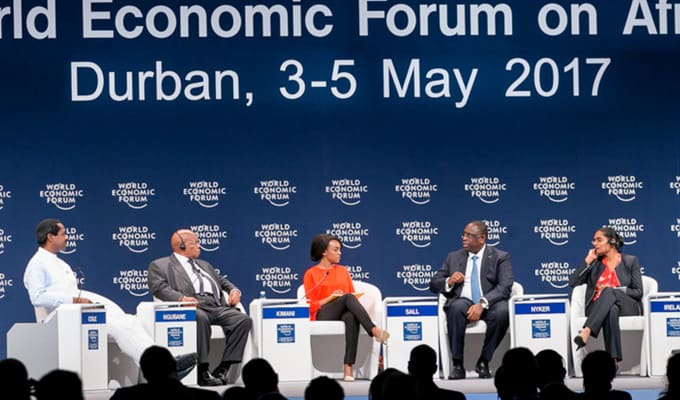
    This blog has been triggered by the numerous emails I get every day about the apparent lack of African speakers prepared to come forward to talk about certain industries at Africa-focused events.

    microphone Africa
    I attend many events in Africa and around the world and my exasperation is growing because I struggle to find African speakers capable of representing the continent effectively, apart from the usual faces we see at every event, and they are few and usually from the USA or part of the International Development world. As for African women in ICT, they are very hard to find.

    So I am wondering, why is it that African people are not stepping forward? What is the problem? Is it a lack of confidence? A lack of visibility? Is it their fault? Do they not know how to speak? Or are they overshadowed by what we might call ‘friends of Africa’ or by Afro-Americans who left Africa 20 years ago and now have little direct contact with Africa. This is not to be critical of Afro-Americans — they are part of the Diaspora, have links in Africa and could have much to say if they engage more regularly with the grassroots — or other ‘outsiders’ with a passion for the continent, but I believe that we should also be able to find some Made-in-Africa speakers. Surely there are eloquent Africans capable of telling their stories. Storytelling is in their blood. From a young age, Africans are surrounded by amazing stories that can be shared with a wide audience to vibrant and inspiring effect, even changing people’s lives.

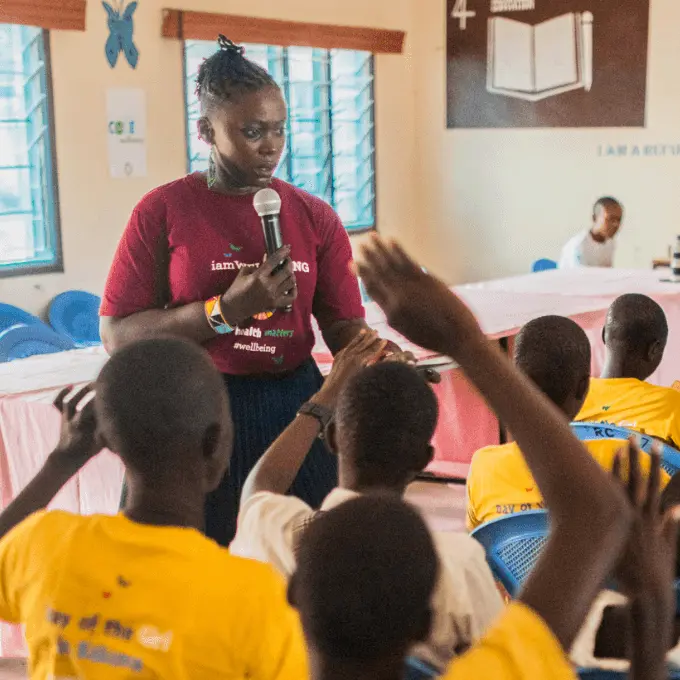
    I am sure if we look hard enough within the continent we will find that we have vibrant young Africans who are dying to have their voices heard. If empowered, supported and trained to take the stage, Africans can tell their stories better than anyone else, whether it be about mobile technologies, ICT development, international development or other areas of the economy and business. It’s time they emerged from behind the scenes and stopped being overshadowed by Corporate Americans, or the ‘lovers of Africa’ who take all the credit for their hard work. African People need to get more visibility as a matter of urgency. Some are already making a name for themselves — Jessica Colaco Mobile Technology Evangelist from Kenya and London-based Nkeiru Joe to name but two. And I have been following others on social networking platforms like Twitter and Facebook. I have also identified a few speakers on my Best of Africa list on Twitter. But I am sure we can find more. So, I’m appealing to any Africans out there who have an exciting story to tell, who want to learn how to stand up with confidence or who already know how to speak in front of an audience, to step forward and share their experience with us.

    You can always email me you know! I will do my best to help!

    • Share/Save/Bookmark
  • Why AID money isn’t reaching the poor in Africa

    Posted on March 7th, 2010 Marieme 5 comments

    Wikipedia defines aid as “a voluntary transfer of resources from one country to another, given at least partly with the objective of benefiting the recipient country.“ There are thousands of charities around the world that want to do good in Africa. Some of them are having a positive impact, working extremely hard to make a difference and meet people’s needs. But others are failing Africa because they have no real understanding of the continent and its complexity, they are unsure of the right strategies to adopt, or they simply lack the right resources.
    Every year millions are poured into very impoverished countries with the objective of helping the poor. This has been going on for decades.

    Kaolack

    But much of this money is not getting into the hands of the right people. I could list a million reasons why this is happening, but I will mention just a few and suggest some solutions.
    Not everyone will be surprised to learn that the people it is intended for are seeing little or no benefit from this AID. I certainly see it when I meet poor people every time I go to Africa. It drives me mad that money raised in countries like the UK, France and the US, sometimes through live TV shows, sometimes through organisations with world-famous celebrities at their head, is not getting to those who need it the most. The show or concert finishes, the money is counted and perhaps distributed to the chosen charity’s bank account and… that’s it. Perhaps a handful of projects are followed up, but a closer look reveals few signs of real continuity and the end result falls far short of the hopes raised by the huge sums involved.

    There are thousands of NGOs in Africa that are looking to do good, giving their time to help those in need. But some of them are doing more harm than good or actually helping to destroy Africa. Little is achieved or efforts are badly targeted and with time, the poor end up exactly where they started. Perhaps, given that all the money we give passes through their hands, it is time to start monitoring NGOs, reviewing their status and accountability.
    A BBC report on Wednesday 3rd of March suggested that some of the money given in the famous 1984 Live Aid campaign for Ethiopia organised by Bob Geldof was spent on weapons. This has created much confusion in the International development community and led many donors to wonder whether they should continue giving to charities. Nobody will blame them.

    The entire aid industry needs to be reviewed as a matter of urgency, in my view. It is worth reading Zambian author Dambisa Moyo’s recent book ‘Dead Aid’, in which she calls for a radical change in the way that AID is distributed in Africa. Here are a few ideas that I feel could help to make NGOs in Africa more effective. They should:

    * Spend more time in Africa and do thorough research before embarking on a project
    * Learn how to manage funds properly and how to distribute those funds in poor countries
    * Find and empower local partners on the ground
    * Learn and gain knowledge from Africans
    * Not be motivated by a misplaced sense of pity
    * Focus on bringing new technology to ordinary Africans
    * Speak to the people – including other existing reputable NGOs – who already have success stories
    * Use the appropriate ICT tools, or mobile technology
    * Communicate, learn and share with individuals on the ground
    * Get training in cross-cultural issues,
    * Do not think that aid alone can solve Africa’s problems

    I think that by adopting some or all of these ideas, NGOs could play a more productive role and help to bring real and lasting change to Africa.

    • Share/Save/Bookmark
  • How NOT to give money to charities working in Africa

    Posted on March 6th, 2010 Marieme 5 comments

    NGO works

    Thousands of well-meaning people around the world give regularly to charities or want to donate or get involved in some way but are unsure of the best way to go about it. Many of these people lack knowledge of the real issues on the ground affecting ordinary Africans. Their motivation to donate might be based on guilt or pity or misconceptions about Africa that are fueled by negative images and misleading stories relayed by the media, or they are unaware of alternative, more hands-on strategies to donate and help that can sometimes give better, more tangible results and are ultimately more satisfying for all concerned.

    So here are 15 points worth considering that I hope will help potential donors understand their own motivation and tips on possible donation strategies.

    1. Do not fall into the trap of thinking that Africa is all about poverty. It is extremely rich in resources both human and natural.

    2. Do not watch TV images of Africa and feel only pity: starvation, war, HIV-AIDS etc…

    3. Do not give money to Africa in an attempt to make yourself feel good

    4. Do not give money to Africa because you feel guilty about colonialism

    5. Do not forget that governments are often incompetent and corrupt. The intended recipients of aid are not at fault

    6. Do not forget that there are 53 countries in Africa where your money can make a significant difference.

    7. Do some research on your chosen charity before committing yourself to a donation, or support.

    8. Do not write a cheque or set up a direct debit before asking for proof of how the money will be spent. Not all charities are accountable

    9. Donate to just one or two preferred and registered charities; this will make you more focused and make it easier to monitor the results

    10. Do not assume that you cannot visit an NGO – either in their offices or on the ground: it’s your money after all

    11. Why not consider a visit to Africa to see for yourself and make friends before donating?

    12. Do not think that you cannot find individuals, philanthropists and volunteers that are already active on the ground and liaise with them.
    13. Do not forget to consider empowering a local individual. Invest time in teaching and learning with that person so he can pass the knowledge on to others in the community

    14. Target charities with a sharp focus on a particular area: health, new technologies, empowerment, education, infrastructure, rape centres, climate change, water, agriculture, etc

    15. Finally, make friends in Africa and find partners and doers that can help you get involved in ongoing or stagnant projects. There is no need to reinvent the wheel.

    • Share/Save/Bookmark